All articles · · 5 min read
Lisbon’s Coffee Culture: History, Vibes, and Modern Trends
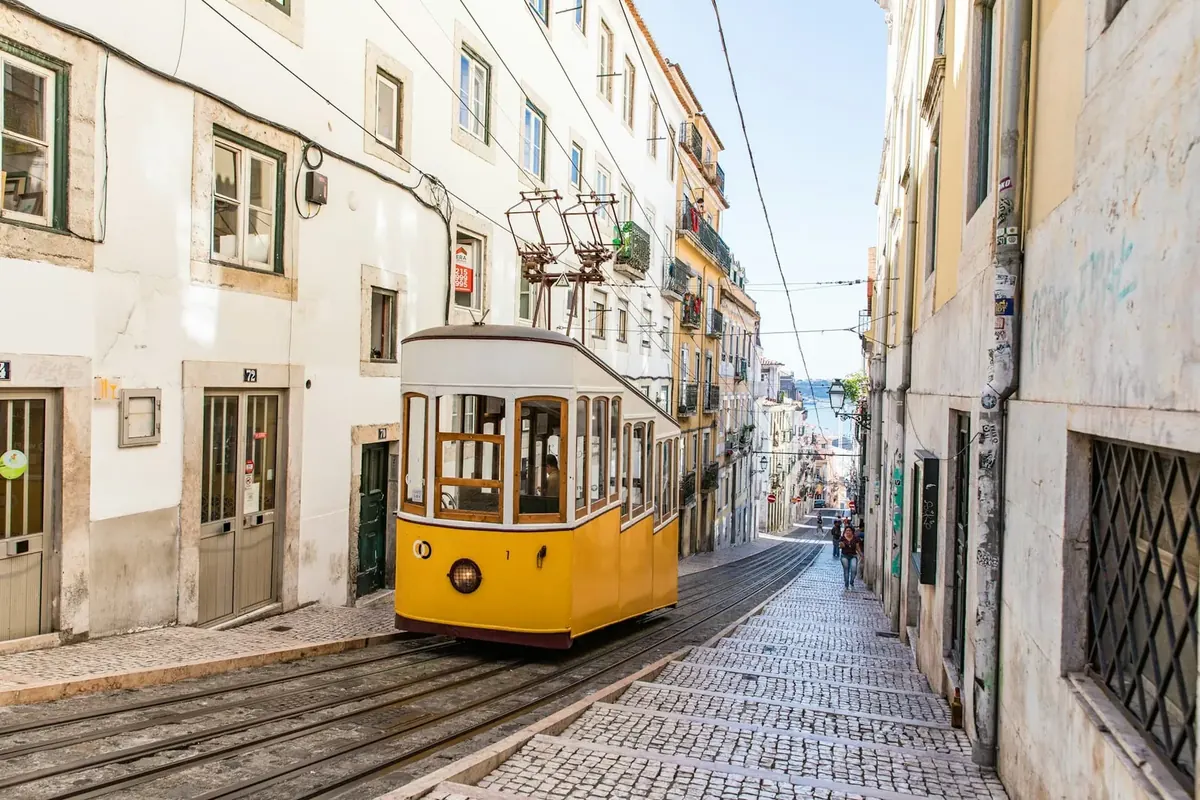
Photo by André Lergier on Unsplash
Coffee in Lisbon is infrastructure. It holds the morning together, it is the excuse for half the city’s conversations, and it costs about as much as the tram. Below: where this came from, which of the old rooms survived, and what the last decade of specialty coffee changed — and didn’t.
From Colonial Roots to National Obsession
Coffee reached Portugal in the 16th century with the trade routes. It began as a luxury and by the 18th century had become ordinary; Lisbon filled with botequins — early cafés where people argued about politics and literature at least as much as they drank.
The beans came from the colonies: Brazil, Angola, São Tomé and Príncipe, Cape Verde. It was the Portuguese who brought coffee plants to Brazil in the 1700s — the country that now grows more coffee than any other started as a Portuguese experiment.
The beans came from the colonies: Brazil, Angola, São Tomé and Príncipe, Cape Verde. It was the Portuguese who brought coffee plants to Brazil in the 1700s — the country that now grows more coffee than any other started as a Portuguese experiment.
Classic Cafés: Lisbon’s Living History
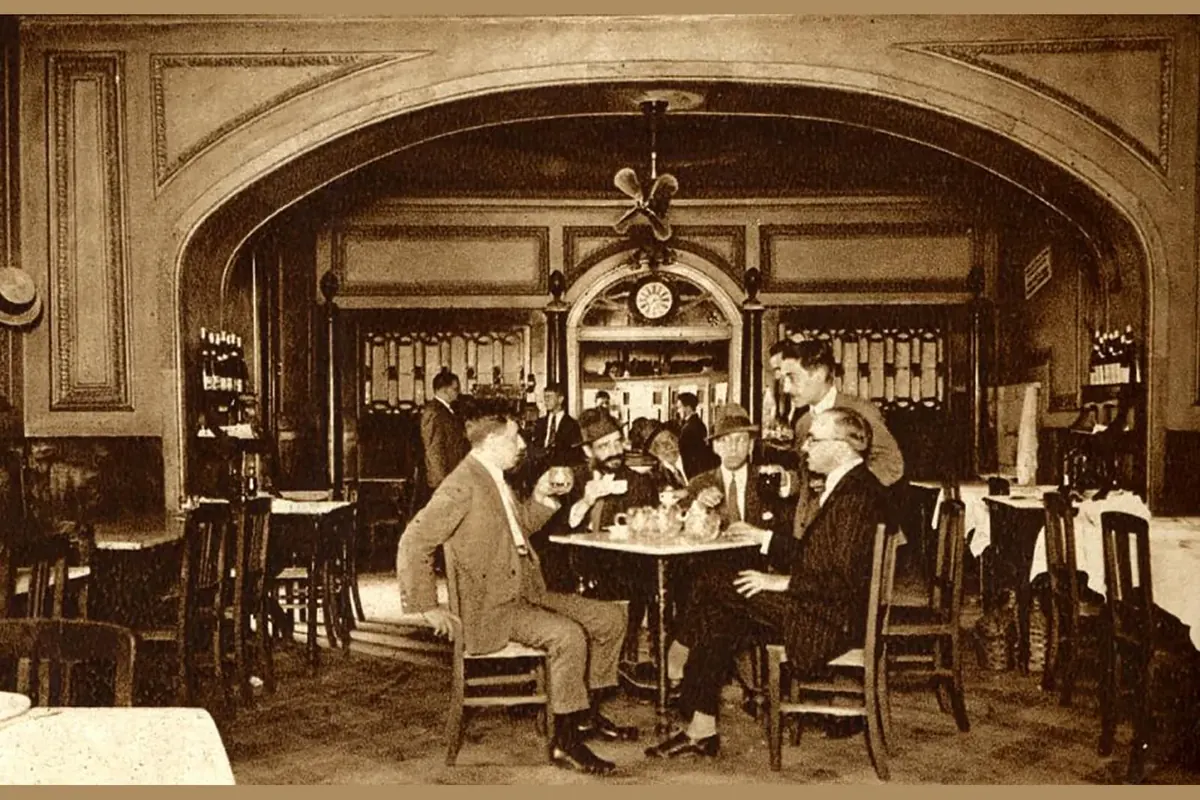
Some of the old rooms are still open: high ceilings, mirrors, marble tables, waiters who have been there longer than the furniture.
In all of them the thing to order is a bica — the Lisbon word for espresso — and it still costs coins, not notes.
- Martinho da Arcada (1782): the city’s oldest café, under the arcades of Praça do Comércio. Fernando Pessoa had a table here; the wooden interior hasn’t needed improving since.
- Café A Brasileira (1905): in Chiado, once the meeting room of the city’s writers and painters. The bronze Pessoa outside is for the tourists; the counter inside still works like a counter.
- Café Nicola (1787): on Rossio square, the centre of Lisbon café life in the 1930s.
- Café Chave d’Ouro (1919): in its day a restaurant, tea room, tobacconist, barbershop and billiard hall in one building — the social network of its era.
In all of them the thing to order is a bica — the Lisbon word for espresso — and it still costs coins, not notes.
The Third-Wave Coffee Revolution
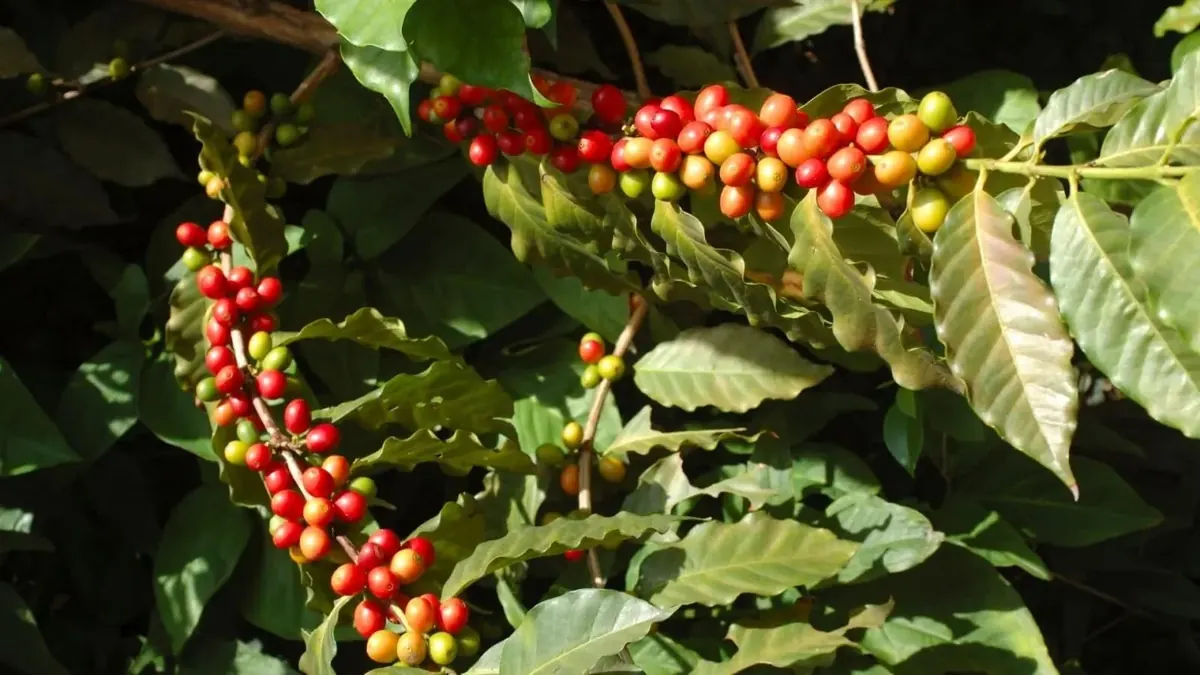
Over the past decade the third wave reached Lisbon: attention to bean quality, traceable sourcing, hand brewing. A city that used to run on dark commercial roasts — Sical, Buondi — now draws baristas from across Europe.
The Evolution of Lisbon’s Coffee Scene
Historical Perspective: From a Few to Hundreds
Traditional Cafés (18th–20th Century)
Before 2015, Lisbon’s coffee scene was all about its traditional cafés and pastelarias (pastry shops), many of which have been around for over a century:
In total, Lisbon had around 200–300 traditional cafés, from grand historic spots to cozy neighborhood botequins.
The Specialty Coffee Boom (2015–2025)
The specialty coffee scene kicked off around 2015 with trailblazers like:
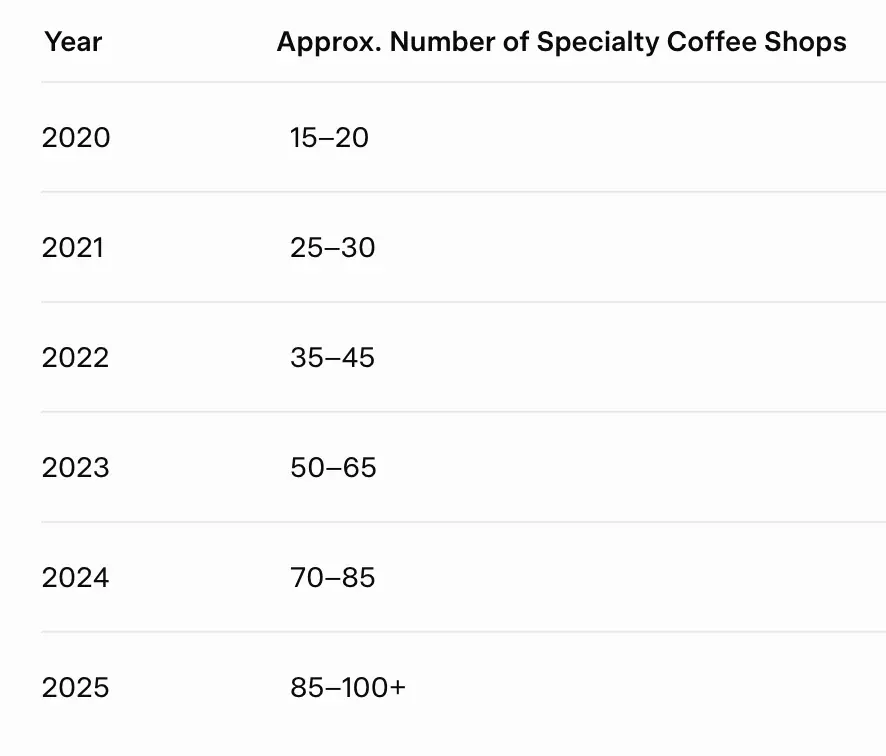
Since then the count has kept climbing — Nina Brunch Cafe tracks it:
The Evolution of Lisbon’s Coffee Scene
Historical Perspective: From a Few to Hundreds
Traditional Cafés (18th–20th Century)
Before 2015, Lisbon’s coffee scene was all about its traditional cafés and pastelarias (pastry shops), many of which have been around for over a century:
- Martinho da Arcada (1782)
- Café Nicola (1787)
- Confeitaria Nacional (1829)
- Pastelaria Benard (1868)
- A Brasileira (1905)
- Versailles (1922)
In total, Lisbon had around 200–300 traditional cafés, from grand historic spots to cozy neighborhood botequins.
The Specialty Coffee Boom (2015–2025)
The specialty coffee scene kicked off around 2015 with trailblazers like:
- Copenhagen Coffee Lab (2015): The first international specialty chain, setting up shop in Príncipe Real.
- Fábrica Coffee Roasters (2015–2016): One of Lisbon’s first local specialty roasters, inspired by Germany’s coffee scene.
Since then the count has kept climbing — Nina Brunch Cafe tracks it:
Key Moments:
Market Dynamics
Portugal’s Coffee Market:
Specialty coffee shops are popping up in trendy neighborhoods like Príncipe Real, Santos, Chiado, Alcântara, and Parque das Nações.
- March 2019: The first Lisbon Coffee Festival, putting specialty coffee in the spotlight.
- 2020: COVID-19 boosted home coffee consumption by 18% (off-trade sales).
- 2023: A 25% spike in brunch orders at cafés, showing the rise of café culture.
- 2024: Portugal’s green coffee imports jumped 22.7% to 52,670 tons, a sign of growing demand.
Market Dynamics
Portugal’s Coffee Market:
- Total Consumption: 59,000 tons in 2023, expected to hit 61,000 tons by 2028 (0.6% CAGR).
- Market Revenue: €2.91 billion in 2025 (€568.73 million from home consumption, €2.34 billion from out-of-home).
- Specialty Segment: Europe’s specialty coffee market is growing at 11.9% annually (2023–2033). In 2023, Lisbon’s café scene boosted tourism by 20%.
Specialty coffee shops are popping up in trendy neighborhoods like Príncipe Real, Santos, Chiado, Alcântara, and Parque das Nações.
Third-Wave Coffee in Lisbon
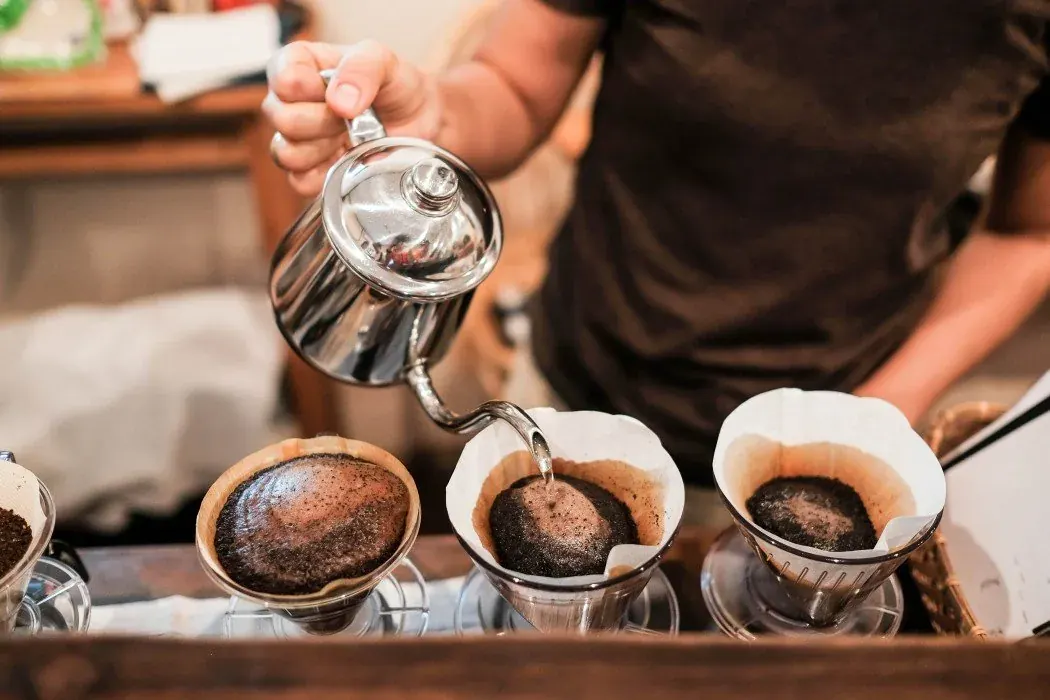
What the third wave changed is the questions being asked of the cup: which farm, which process, which roast. Single origins from Ethiopia, Colombia or Brazil, brewed on V60, AeroPress or as cold brew, taste of fruit and flowers rather than of char — a different drink from the classic bica blend, not a better one.
New players (2020–2025):
New players (2020–2025):
- Liberty: a famous coffee shop along with a bookstore.
- Sense of Coffee and Sense of Coffee & Wine: the first specialty coffee shop in Parque das Nações, pouring roasters from around Europe — the house filter changes every two weeks.
- The Folks: a chain of coffee shops in Lisbon, setting a new standard of quality.
- Copenhagen Coffee Lab: the first coffee chain of the new wave, bringing together expats from all over the world.
- Dear Breakfast: a popular chain of breakfast and brunch cafes in Lisbon with interesting coffee and minimalist Scandinavian-style design
- Hello, Kristof: Connoisseurs of specialty coffee will find here not only a great drink, but also an inspiring space to work or relax.
These cafés often offer vegan milk options (like oat or almond) and seasonal specials, such as cold brew with local twists like orange syrup or cinnamon.
What survived the boom
In 2015 Lisbon had two or three specialty coffee shops. By 2025 the count passed eighty-five — a thirty-fold jump in a decade, one of the fastest in Europe. And yet the thing that makes Lisbon coffee Lisbon’s did not change: the espresso at the counter still costs about a euro, still takes two minutes, still comes with a couple of words traded across the bar.
We think that ritual is worth protecting from the boom that we are ourselves part of. That is why the espresso at Sense of Coffee costs 1 € — roughly what it costs us to make, with nothing added on top. Specialty cafés usually explain why their coffee costs more. We’d rather explain why ours costs the same as at the old counters around the corner — and tastes different. A bica at Nicola, a V60 of Ethiopian Yirgacheffe at a third-wave bar, an espresso at ours: three answers to the same question, and the city has room for all three.
We think that ritual is worth protecting from the boom that we are ourselves part of. That is why the espresso at Sense of Coffee costs 1 € — roughly what it costs us to make, with nothing added on top. Specialty cafés usually explain why their coffee costs more. We’d rather explain why ours costs the same as at the old counters around the corner — and tastes different. A bica at Nicola, a V60 of Ethiopian Yirgacheffe at a third-wave bar, an espresso at ours: three answers to the same question, and the city has room for all three.